


The Taste
of 180 Years
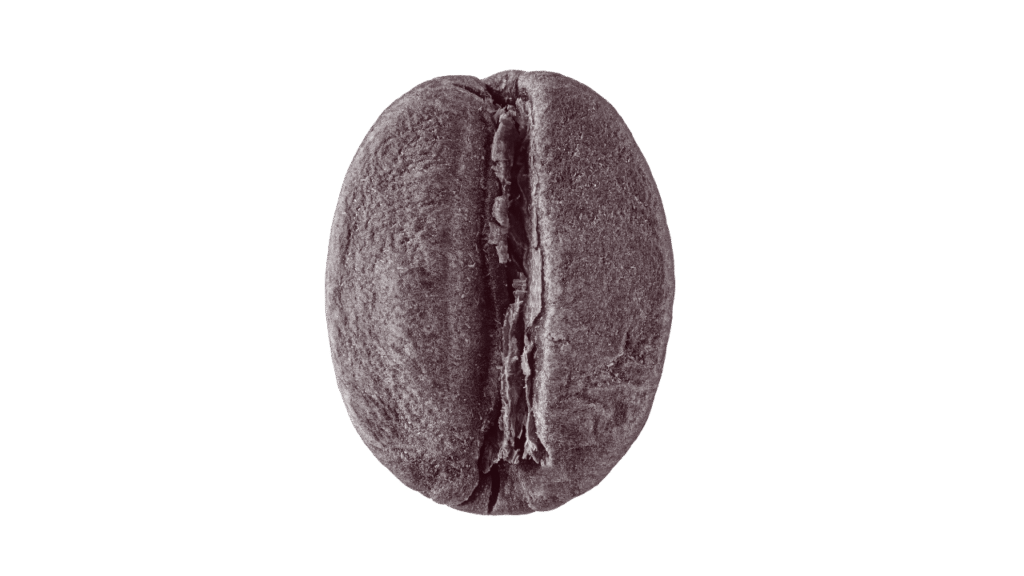
There are places whose mere names evoke a story. Sipirok is one of them. In the highlands of South Tapanuli—amidst mountains and plantations that grow in harmony with the natural landscape—coffee has been an integral part of the community’s life for over 180 years. This is where the journey of Sipirok Arabica coffee begins. It is not merely about how the coffee is cultivated; it is about the land, the people, tradition, time, and the way a place shapes flavor.
Where The Story Begins
Indonesia → Sumatra → North Sumatra → South Tapanuli → Sipirok
A small place on the map. A long story in the cup.
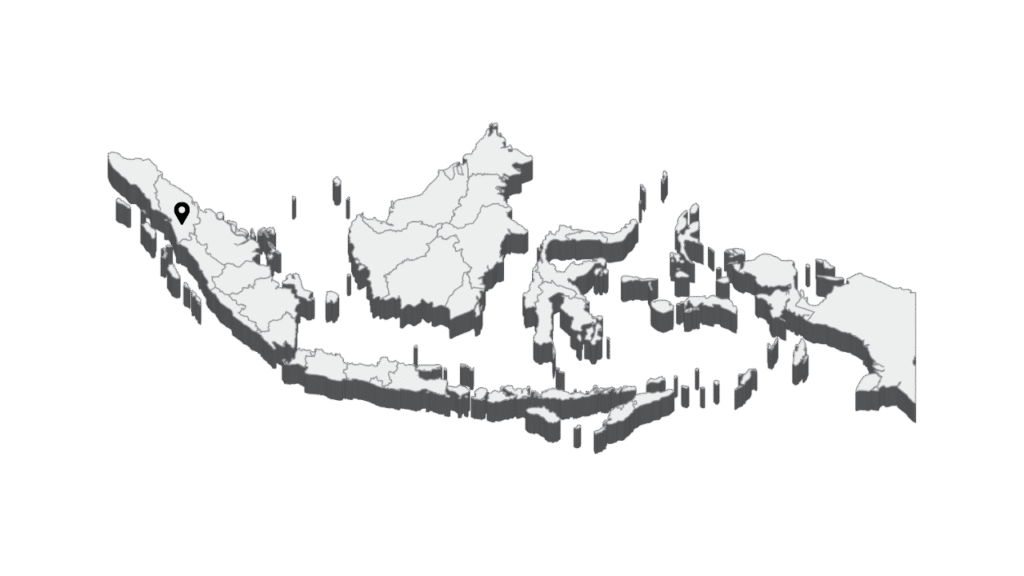
To understand the coffee, we must first understand the place. Sipirok is located in the South Tapanuli Regency of North Sumatra, within the Bukit Barisan mountain range. The coffee grows in highlands ranging from 900 to 1,300 meters above sea level, amidst cool air and temperatures between 17°C and 23°C. Beneath the surface, volcanic soil creates an environment that fosters coffee growth.
In the distance, Mount Sibualbuali stands as a prominent feature of the landscape. Here, nature works at a measured pace. The altitude slows the ripening of the coffee cherries. The cool air regulates the rhythm of growth. The soil provides a foundation for the roots to thrive. And people tend to it all, season after season.
The First Coffee
A Story That Goes Back to 1839
Kopi Sipirok bukan kopi yang baru muncul dalam beberapa tahun terakhir. Jejak sejarahnya membawa kita kembali ke sekitar 1839, ketika kopi mulai diperkenalkan dan ditanam di kawasan Sipirok. Varietas awal yang berkembang dikenal sebagai Typica. Di Kelurahan Baringin, masih terdapat pohon kopi tua yang dipercaya menjadi salah satu jejak dari masa awal perjalanan kopi di kawasan ini. Pohon itu telah melewati generasi. Batangnya menua, tetapi kehidupan tetap tumbuh di atasnya. Bunga masih muncul. Buah masih terbentuk. Seolah mengingatkan bahwa kopi Sipirok bukan sekadar komoditas. Ia adalah bagian dari sejarah sebuah wilayah.
Sipirok coffee is not a recent arrival on the scene. Its history traces back to around 1839, when coffee was first introduced and cultivated in the Sipirok region. The early variety that flourished there is known as Typica. The tree has endured through generations; though its trunk has aged, life continues to thrive upon it. Flowers still bloom, and fruit still forms—serving as a reminder that Sipirok coffee is more than just a commodity; it is an integral part of the region’s history.
Coffee grew alongside the community. In Sipirok, the plantation was not merely a place for harvesting crops; it became an integral part of family life and a source of livelihood for farmers. The spirit of togetherness within the community—fostered in part by the “Dalihan Natolu” social structure—helped shape the social fabric of the area.
Coffee was woven into daily life. Harvests helped meet family needs and fund children’s education. In the past, dried coffee beans were even stored in a “Talobat”—a wooden structure used to keep the crop safe before milling or sale. There was something compelling about that way of life: coffee did not always have to be converted into cash immediately. Sometimes, it was stored and tended to, waiting for the right moment. And perhaps without realizing it, that habit taught a lesson that remains relevant today:
Good Coffee Takes Time.
When Coffee Became
A Way Of Life
Where Coffee Grows with The Forest
The Land
Sipirok coffee plantations do not exist in isolation. In many groves, coffee grows alongside other crops within intercropping and agroforestry systems. Fruit trees can serve as border plants, while lamtoro trees provide shade and enrich the soil with organic matter. Coffee seedlings are nurtured before being transplanted to the plantation, allowing them time to grow stronger. All of this is done with a single goal: to create an environment where coffee can thrive. After all, a coffee’s character is not defined solely by its variety; it is also shaped by the place where it grows.
This is a particularly fascinating aspect of the marketing story behind Sipirok coffee.
During the colonial trading era, coffee from the Angkola and Sipirok regions was not always marketed under the name “Sipirok.” Instead, coffee from these areas was collected and traded via the Mandailing region, eventually becoming widely known in international trade as “Mandheling.”
Consequently, the name “Mandheling” in the history of Sumatran coffee trade does not necessarily indicate that all such coffee originated from the Mandailing region itself; various sources note that coffee from the Angkola-Sipirok area was also part of that supply chain.
Quality Begins with The Fruit
From Cherry
to Cup
Great coffee does not begin when the beans are already in the sack; it starts long before that—with the fruit selected, the hands that harvest it, and the patient processing involved. The coffee cherries are picked only when they have reached the perfect stage of ripeness: red, healthy, and ready for processing. Cherries that do not meet the standards are set aside. From there, the journey continues into the processing stage.
SELECT : only ripe, healthy coffee cherries are selected to ensure consistent raw material quality from the start.
WASH : the cherries are thoroughly washed.
PULP : the cherry skin is removed to reveal the beans, which is still coated in natural mucilage.
FERMENT : lasts 12-18 hours, the beans undergo controlled fermentation to help remove the mucilage and develop the coffee’s flavor profile.
DRY : the beans are dried slowly while being turned periodically until they reach the appropriate moisture content.
HULL : the parchment skin is removed to produce green beans ready for the roaster, and ultimately the cup.
GRADE : dried beans are selected based on quality to maintain the consistency of each lot.
More Than a Bean
5 Coffee
5 Characters
Yet, there is one place it calls home:
Sipirok.
There are coffees that transport us back to history.
There are those that reveal the fruity notes of the natural process.
There are rare varieties available only in limited quantities.
There are bold roasts crafted specifically for espresso.
Yet, they all share one thing in common:
they originate from the same place and are nurtured with the same purpose—preserving quality while upholding the identity of their origin.
A Taste Shaped by Place
The Character
of Sipirok Coffee
The character of Sipirok Arabica coffee is not defined by a single factor; rather, it emerges from the interplay of variety, altitude, climate, soil, cultivation practices, and post-harvest processing. In the cup, this character manifests as notes of caramel, flower, sweet lemon, chocolate, and spice.
It boasts a bright, lively acidity and a medium-to-thick body. When these elements converge, they create the distinctive profile characteristic of the Sipirok highlands. Sipirok Arabica coffee is a specialty coffee, typically records cupping scores ranging from 81.375 to 84.75, depending on the specific lot and the coffee’s unique characteristics.
However, numbers are merely one way to describe quality. What matters more is the experience of the coffee once it is in the cup.
One Origin. Different Characters.
Five Expressions
of Sipirok
Five Expressions
of Sipirok
From a single land, diverse experiences are born.
We bring several facets of Sipirok coffee to the Tarsius collection.
Each offers a unique way to introduce Sipirok.
01. The Taste of 180 Years
Premium Arabica Sipirok
Clean. Sweet. Bright. Distinctly Sipirok.
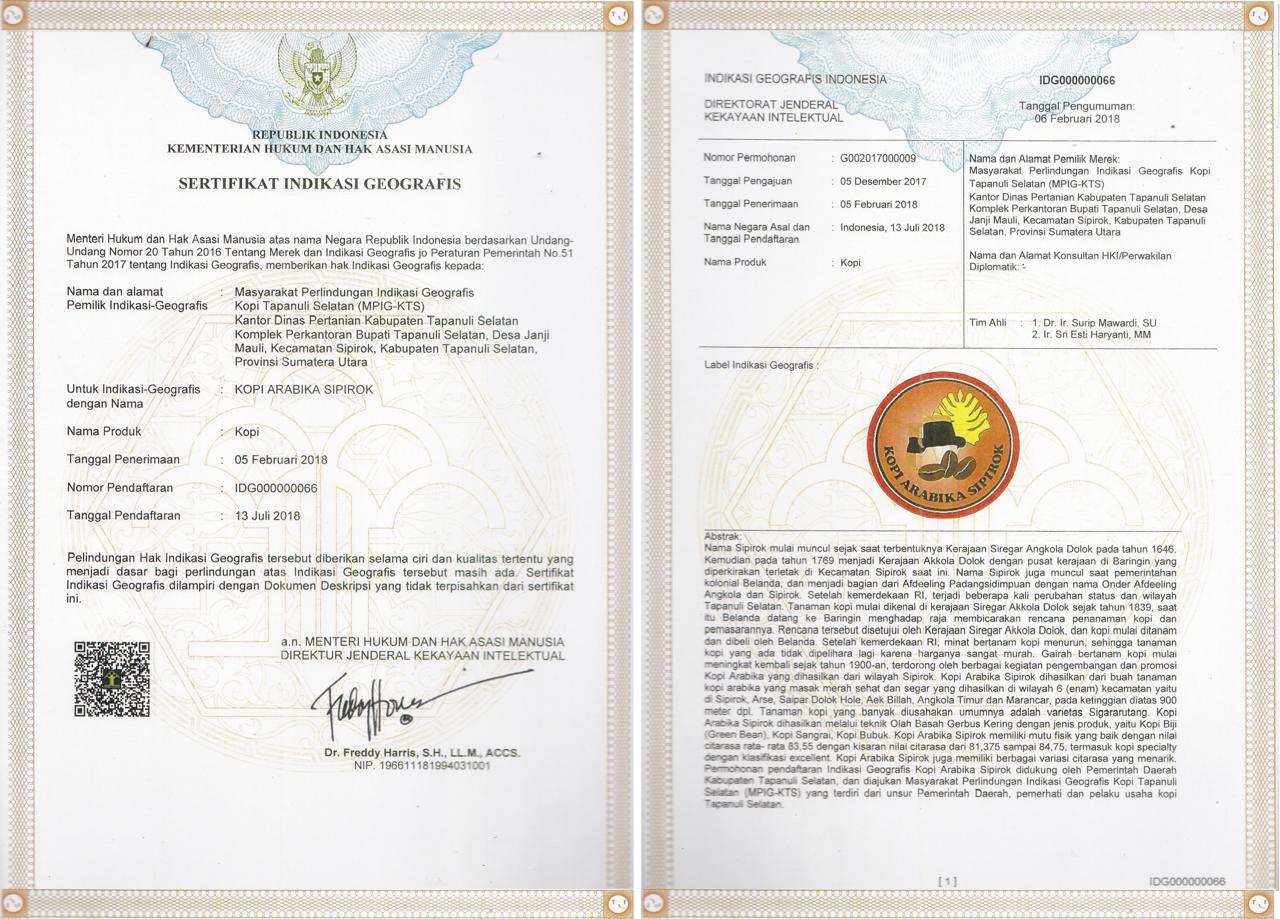
This is the quintessential Sipirok coffee: 100% Arabica from the Sipirok Arabica Coffee region (Geographical Indication ID G 000 000 066). Grown at altitudes of approximately 900–1,300 meters above sea level, the cherries are selectively picked and processed to preserve their unique origin character. In the cup, it offers bright acidity, earthy, fullbodied.
Best for: Filter, manual brew, espresso, and those who wish to get to know the true character of Sipirok.
02. Selected by Nature, Roasted by Us
Wild Luwak Sipirok
Rare by nature. Never mass-produced.
Some coffees are selected by human hands, while others begin their journey in the wild. Wild Luwak Sipirok originates from coffee cherries consumed by wild civets in the forests surrounding the coffee plantations. Because the process relies on nature and the seasons, supplies are limited and cannot be mass-produced.
In the cup, it offers complex, earthy, smooth acidity, medium to fullbodied.
Best for: slow brew, pour-over, French press, cold brew, siphon.
01. The Taste of 180 Years
Premium Arabica Sipirok
Clean. Sweet. Bright. Distinctly Sipirok.
This is the quintessential Sipirok coffee: 100% Arabica from the Sipirok Arabica Coffee region (Geographical Indication ID G 000 000 066). Grown at altitudes of approximately 900–1,300 meters above sea level, the cherries are selectively picked and processed to preserve their unique origin character. In the cup, it offers bright acidity, earthy, fullbodied.
Best for: Filter, manual brew, espresso, and for those wishing to experience the authentic character of Sipirok.
02. Selected by Nature, Roasted by Us
Wild Luwak Sipirok
Rare by Nature. Never Mass-produced
Some coffees are selected by human hands, while others begin their journey in the wild. Wild Luwak Sipirok originates from coffee cherries consumed by wild civets in the forests surrounding the coffee plantations. Because the process relies on nature and the seasons, supplies are limited and cannot be mass-produced.
In the cup, it offers complex, earthy, smooth acidity, medium to fullbodied.
Best for: slow brew, pour-over, French press, cold brew, siphon.
03. The Wine-Like Expression of Sipirok
Fruity Coffee Sipirok/
Wine Coffee
21–30 Days of Fermentation. A Different Expression of Sipirok.
A different side of Sipirok. “Fruity Sipirok” is more than just a coffee with fruity notes; its fruity character stems from an extended fermentation process lasting approximately 21 to 30 days. Selected red coffee cherries undergo this prolonged fermentation, which gradually develops a complex flavor profile, delivering fruity, juicy, sweet, and wine-like sensations in the cup.
The result is a coffee featuring a more expressive fruity aroma, deeper sweetness, and fermentation characteristics that offer a unique experience—distinct from the cleaner profile typically associated with Sipirok coffee. It is not merely about fruitiness; it is about how time and process can reveal a different facet of a coffee origin.
Best for: V60 pour-over, cold brew, Chemex, AeroPress
04. One Bean. A Rare Find.
Peaberry
Small in Number. Big in Character.
A single coffee cherry typically contains two beans. However, in a small percentage of cherries, only one bean develops. This round, single bean is known as a peaberry. They are limited in quantity and must be separated through a sorting process. In the cup, it tend to be fuller body than regular Premium Arabica, bright acidity, earthy.
Best for: V60 pour-over, AeroPress, Chemex, French press, and espresso.
05. Bold & Grounded
Robusta Sipirok
Bold. Powerful. Built for Espresso.
Robusta Sipirok receives the same meticulous attention regarding cherry ripeness and processing cleanliness. In the cup, it offers slight bitterness and low acidity.
Best for: Espresso, French press, Vietnamese phin, Moka pot, and milk based coffee drinks.
03. The Wine-Like Expression of Sipirok
Fruity Coffee Sipirok/
Wine Coffee
21–30 Days of Fermentation
A Different Expression of Sipirok
A different side of Sipirok. “Fruity Sipirok” is more than just a coffee with fruity notes; its fruity character stems from an extended fermentation process lasting approximately 21 to 30 days. Selected red coffee cherries undergo this prolonged fermentation, which gradually develops a complex flavor profile, delivering fruity, juicy, sweet, and wine-like sensations in the cup.
The result is a coffee featuring a more expressive fruity aroma, deeper sweetness, and fermentation characteristics that offer a unique experience—distinct from the cleaner profile typically associated with Sipirok coffee. It is not merely about fruitiness; it is about how time and process can reveal a different facet of a coffee origin.
Best for: V60 pour-over, cold brew, Chemex, AeroPress
04. One Bean. A Rare Find.
Peaberry
Small in Number. Big in Character.
A single coffee cherry typically contains two beans. However, in a small percentage of cherries, only one bean develops. This round, single bean is known as a peaberry. They are limited in quantity and must be separated through a sorting process. In the cup, it tend to be fuller body than regular Premium Arabica, bright acidity, earthy.
Best for: V60 pour-over, AeroPress, Chemex, French press, and espresso.
05. Bold & Grounded
Robusta Sipirok
Bold. Powerful. Built for Espresso.
Robusta Sipirok receives the same meticulous attention regarding cherry ripeness and processing cleanliness. In the cup, it offers slight bitterness and low acidity.
Best for: Espresso, French press, Vietnamese phin, Moka pot, and milk based coffee drinks.
Why Choose Tarius ?
We collaborate with certified producers to deliver only the best. Every product we export is carefully selected at its source, ensuring authenticity, reliability, and compliance with international standards.
From raw materials to final shipment, we maintain strict quality control at every stage. Our dedicated team handles all export documentation with precision, ensuring smooth compliance with global regulations.
With a streamlined logistics network and real-time communication, we make exporting hassle-free. Our clients benefit from clear updates, timely deliveries, and full visibility throughout the supply chain.
At Tarsius, we believe in growing together. By fostering trust, consistency, and mutual success, we build lasting relationships with our clients, suppliers, and communities worldwide.
Get in Touch with Us
We’d love to hear from you. Whether you’re looking for a quote, have questions about sourcing, or want to explore partnership opportunities — we’re here to help.
Address 1 :
Jl. Percetakan I No. 41
Jakarta Selatan 12130 – Indonesia
Address 2 :
Jl. Puter EC-2/53, Bintaro Jaya 5,
Tangerang Selatan 15222 – Indonesia
The Legacy Continues
More than 180 years after coffee was first grown in Sipirok, the story continues.
In the groves tended today.
In the hands of the farmers who still plant.
In the red cherries picked one by one.
In the drying process that demands patience.
And finally, in the cup of someone who might be thousands of kilometers away from Sipirok.
A coffee can travel a long way.
But its origin remains the same.
Sipirok.
From its soil. From its mountains. From its people. From the hands of its farmers. From the time that has shaped it.
We simply help carry that story further.
The Taste of 180 Years
Premium Arabica Sipirok Coffee
South Tapanuli · North Sumatra · Indonesia
Know the origin. Trace the journey. Taste The Story.